


Watch
Explore the real-life connections between Chatsworth and one of Austen's most beloved novels.
We use platforms such as YouTube and Vimeo to display videos. These require the use of cookies, for which we need your consent. To watch this video, please click here to allow cookies.
In Pride and Prejudice, when Elizabeth Bennet first sees Pemberley, she is struck by its natural beauty and understated elegance. Jane Austen describes it as "a large, handsome stone building, standing well on rising ground, and backed by a ridge of high woody hills." Many believe that Austen had a particular house in mind when writing that description - Chatsworth.
Chatsworth’s connection to Pride and Prejudice runs deep. Austen is believed to have visited the house in 1811, and the timing fits perfectly with the period when she was revising the manuscript, which was published two years later in 1813.
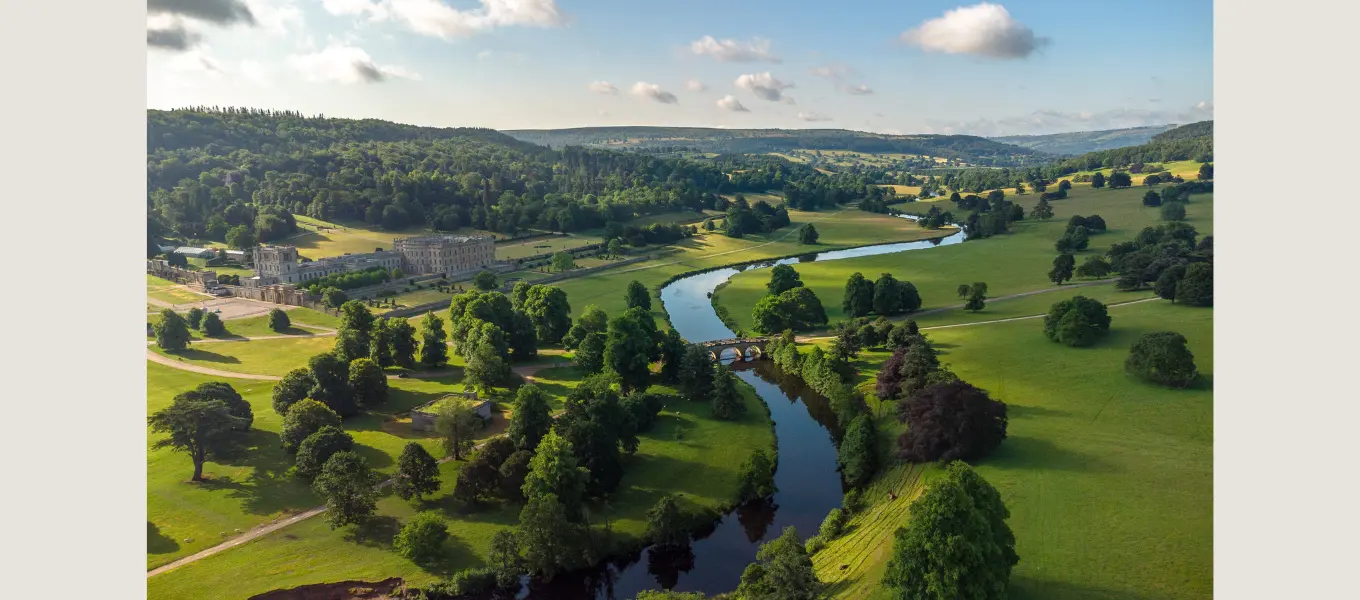
The description of Pemberley in the novel closely matches Chatsworth’s setting. Austen describes Pemberley as being surrounded by natural beauty - rising hills, a flowing river, and carefully designed yet seemingly untouched gardens. Chatsworth’s location on the banks of the River Derwent, with the landscape shaped by Capability Brown, fits this description perfectly.
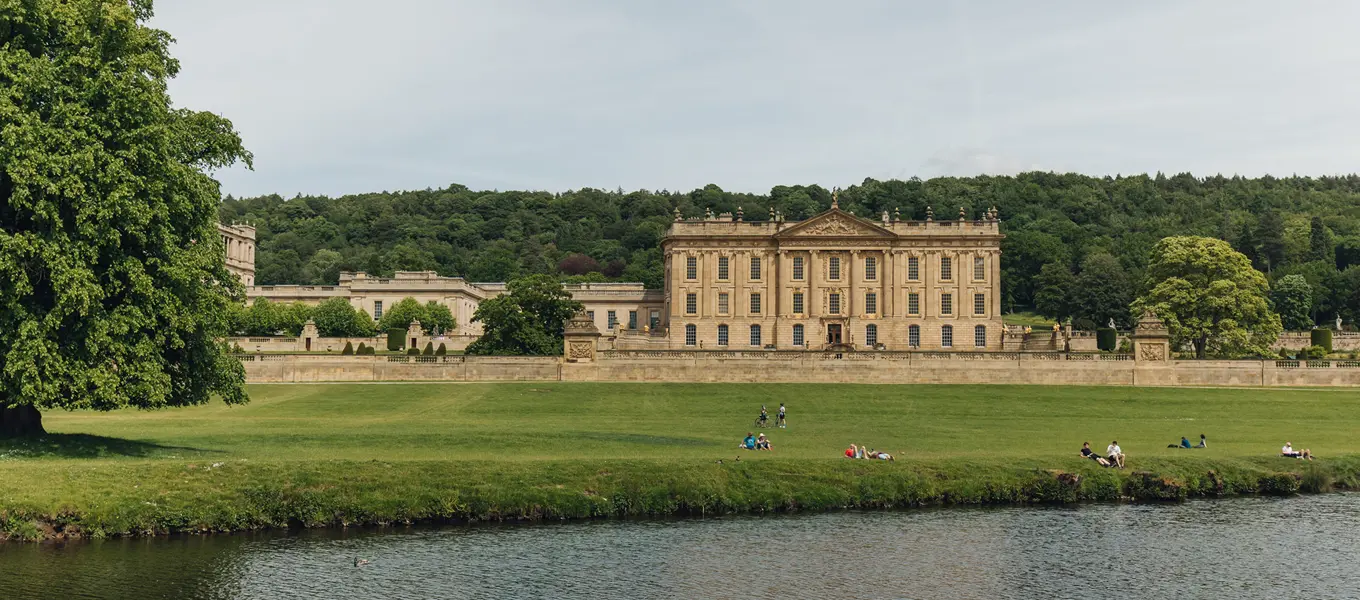
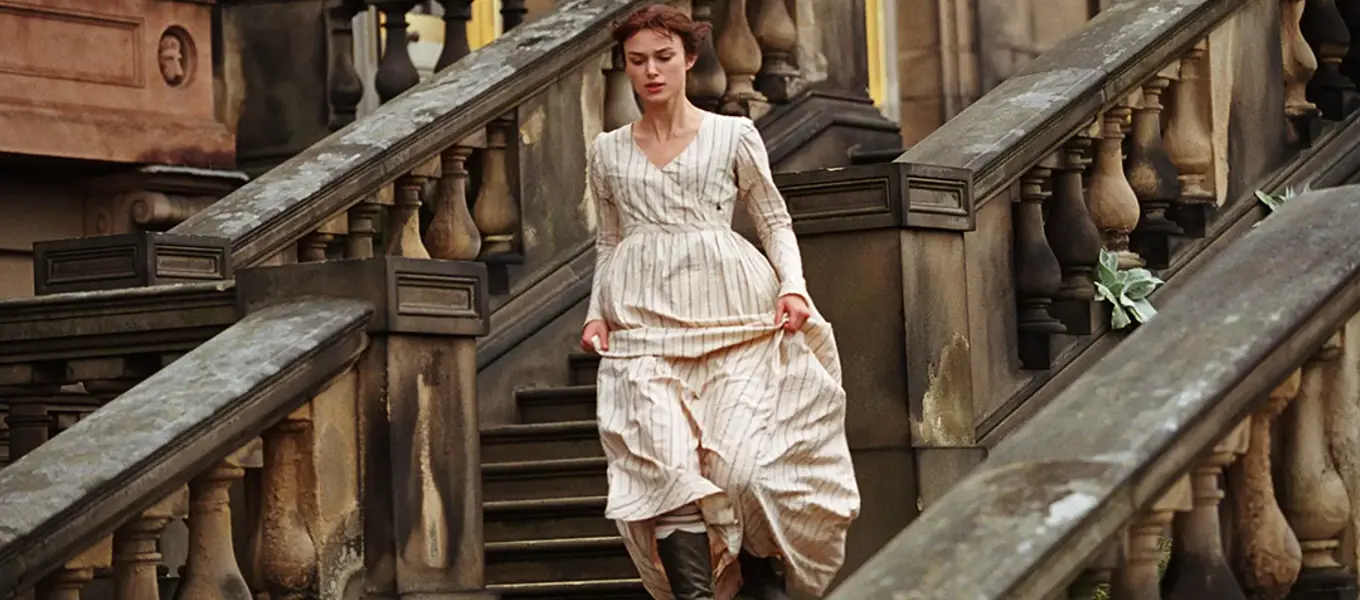
There’s another intriguing link. In the 2005 film adaptation of Pride and Prejudice, Chatsworth was chosen to represent Pemberley on screen. The choice of Chatsworth for the film was more than just aesthetic. It reinforced the long-held belief that Austen had Chatsworth in mind when imagining Pemberley.
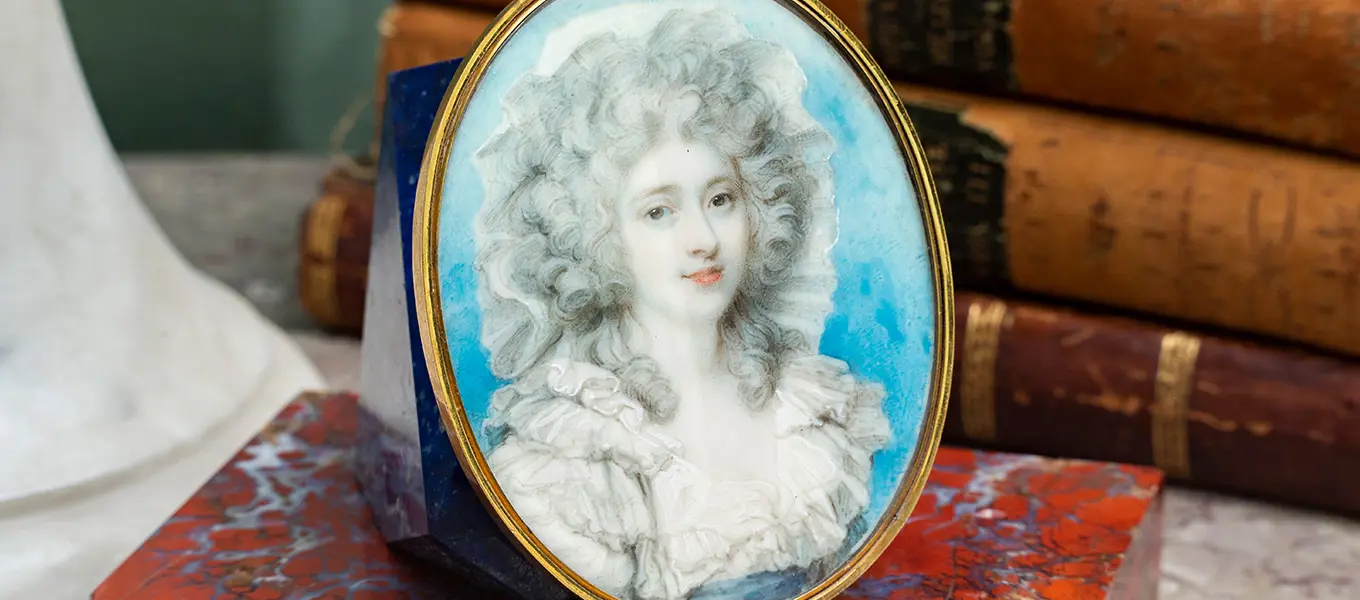
Beyond the setting, there are echoes of the Devonshire family’s real-life history in Austen’s fictional world. Chatsworth was the home of Georgiana Cavendish, Duchess of Devonshire - a famous socialite, writer, and political influencer. Austen named Darcy’s sister Georgiana - a possible nod to the real-life duchess whose influence on English society was profound.
Whether or not Chatsworth directly inspired Pemberley, the parallels are striking. The connection between the Devonshire family and the fictional Darcys, the timing of Austen’s visit, and the landscape that so closely matches her description all strengthen the link.
The Devonshire Collection holds a selection of Austen first editions, including a three volume edition of Pride and Prejudice. Sadly we don’t have records showing when the volumes entered the collection, so we can only wonder if the 6th Duke enjoyed reading the novel in 1813, and if he recognised Chatsworth in the description of Pemberley.
Today, Chatsworth remains a place of inspiration and imagination. Visitors can walk the same halls and gardens that may have stirred Austen’s vision of Pemberley - a house that inspired Elizabeth Bennet herself to declare, "that to be mistress of Pemberley might be something!"
You may also like...
The History of Chatsworth
Chatsworth has been home to the Devonshire family for nearly 500 years.
Textile Tours
21 April, 18 August & 13 October
Join our expert Textiles team for an overview of ongoing remedial and preventative conservation of the collection both on route and behind the scenes.
An Introduction to Chatsworth in Seven Objects
12 May, 8 July & 14 October 2026
Devonshire Collection Curator Katherine Hardwick-Kulpa, selects seven significant objects from the Devonshire Collections that provide fascinating insight into Chatsworth's 500 year history.
Curator Tour: House of Stories
30 April, 25 June & 24 September
Join a guided tour of House of Stories led by exhibition curator Fran Baker.
Chatsworth's Botanical Treasures - Archives Session
19 May & 11 September
Delve into our archives and read the letters between the 6th Duke and Joseph Paxton, revealing the background to the transformation of the Chatsworth Garden.